Manual Therapy
Manual therapy is hands-on physical therapy: your therapist uses their hands to move stiff joints and work on tight muscles and soft tissue, which can relieve pain and restore movement. Western Slope Rehab and Performance offers manual physical therapy in Grand Junction and the surrounding Grand Valley, including Fruita, Palisade, Orchard Mesa, Appleton, Clifton and the Redlands.
Why hands-on care is part of an orthopedic plan
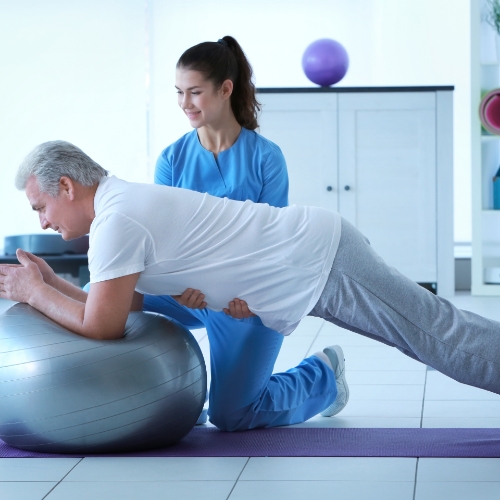
Orthopedic manual therapy means a physical therapist applies skilled pressure and movement to joints, muscles and the tissue around them. It is a safe, non-invasive technique, and no medication is involved. Therapists use it to treat swelling, restricted joints and limited mobility.
At WSRP it is one part of a bigger plan. Jasen Engel, Physical Therapist pairs hands-on work with corrective exercise, because moving a stiff joint or loosening a tight muscle only helps for long if you then train the new movement.
Hands-on techniques we use at the clinic
Your therapist chooses from these after an exam, based on what is limiting your movement.
Joint mobilization
Low-velocity pressure is used to move joints that are stiff or restricted, one gentle glide at a time.
Spinal manipulation
Used to assess and improve how the spine moves. It may also help ease inflammation and support normal nerve function.
Manual traction
Gentle, steady pulling pressure on areas such as the neck or back, so tight soft tissue can move more freely.
Soft tissue mobilization
Deep pressure and stretching to find the most restricted areas, then work on scar tissue and adhesions left by injury or inflammation. It also increases blood flow to the muscles.
Does manual therapy hurt?
Most patients are surprised that it does not. You will feel pressure and movement, and soft tissue work can feel intense over a very tight spot, but it should not be painful. Spinal manipulation can sometimes produce a popping sound, which is normal. Some patients feel mild soreness afterward, like after a workout, and many report feeling better after the first visit.
Tell your therapist if anything is too much. The pressure is adjusted to you.
Problems manual therapy often supports
Each of these has its own page with the full picture of how we treat it.
Other hands-on treatments at WSRP
Instrument-assisted soft tissue mobilization
Smooth-edged tools glide over the skin to loosen scar tissue and tight tendons. See Instrument-Assisted Soft Tissue Mobilization (IASTM).
Massage therapy
Our licensed massage therapists treat muscle tension and soreness. See Massage Therapy.
Dry needling
Thin needles target tight trigger points in a muscle. See Dry Needling.
Exercise keeps the gains
Manual therapy opens a window: a joint moves better, a muscle lets go, pain drops. We use that window to start the strengthening and mobility work in your exercise program. Manual therapy is not a stand-alone fix, and we do not claim it realigns your spine.
You can start physical therapy at WSRP without a referral from a doctor in most cases. See Direct Access and Insurance for how your visits are billed.
Hands-on physical therapy in Grand Junction
Whether you live in Grand Junction, Fruita, Palisade, Orchard Mesa, Appleton, Clifton or the Redlands, we can work out if manual therapy fits your problem. You can start physical therapy without a referral from a doctor in most cases. Some insurance plans, including Medicare, still need a doctor's sign-off on the plan of care. If you are unsure, call (970) 314-9822 and we will check your plan. See Direct Access.
We see patients from Grand Junction and the surrounding Grand Valley: Fruita, Palisade, Orchard Mesa, Appleton, Clifton and the Redlands.